2 Things That Make Extension Cords So Dangerous
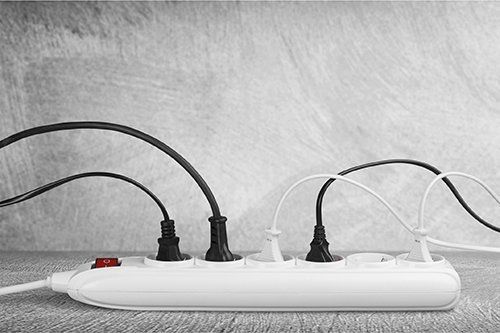
When you focus on powering up a new TV, gaming system, or stereo, the last thing you want to encounter is a shortage of electrical outlets. As a quick fix, you might be tempted to grab an extension cord or power strip when the fact is that these devices carry their own list of inherent risks.
Here are two things that make extension cords so dangerous and what you can do to protect your home and family.
1. Extension Cords and Power Strips Are Easy to Overload
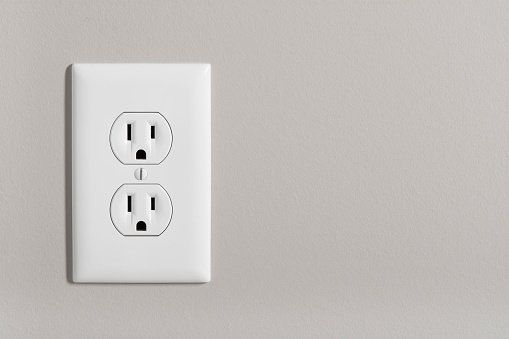
Although power outlets can seem like an endless font of electricity, they are actually rated to carry a certain amount of power, and overloading outlets is very possible. On average, most residential power outlets can handle 15 to 20 amps, which equates to anywhere from 1800 watts to 2400 watts.
The problem with extension cords and power strips is that most allow for more than one device to be plugged in at the same time, requiring the outlet to pull even more power.
For instance, a desktop computer can pull as much as 500 amps, a space heater can pull 1500 amps, and a stereo receiver can pull as much as 450 amps. If you are short on outlets and you decide to string an extension cord from a 15 amp outlet across your living room to power all of these devices at once, you might have a tripped breaker or even an overheated, sparking outlet.
Although an overloaded outlet starting on fire might seem unlikely, these types of incidents are more common than many people realize. In fact, a home in Springfield, Virginia, went up in flames in December of 2018 because of an overloaded extension cord, injuring one woman, killing one of her pets, and causing more than $30,000 worth of property damage.
Fortunately, you can prevent these types of issues by paying attention to how much you plug into wall outlets. Be mindful of the electrical rating of your outlets, and never use extension cords or power strips to provide power for multiple devices. If you find yourself needing additional outlets, talk with a professional electrician about installing additional units.
2. Damage Isn't Always Visible
Oftentimes, extension cords kick around homes and garages for years, accumulating damage that isn't always visible with the naked eye. For instance, as electrical cords are draped, walked across, and tossed in drawers, they can develop fine shorts within the internal wiring, creating arc that cause a tremendous amount of heat.
If you use damaged electrical cords, they can spark a house fire quickly as power struggles to move across the impacted wiring. Like other electrical outlets, the prongs that hold plugs in place can also become loose, gripping plugs more loosely than they should and potentially creating an environment where shocks can occur.
Before you use any kind of power strip or extension cord, check the entire device carefully for damage. Look for cracks, worn cords, and even signs of heat damage like melted or warped plastic. If you find damage, don't use the cord and throw the entire device away. Although this might seem like an added expense to replace a cord, that simple decision could save your home and family.
If you’ve used extension cords because you only have a few power outlets, let us help. At South Alabama Electric Co., we are committed to improving your safety by offering full electrical repair, wiring, and maintenance service. In addition to helping with lighting, circuit installation, and panel upgrades, we can also help with ongoing electrical troubleshooting. Call us today to discuss your electrical needs.