Shopping for a Home? Be Alert for These Electrical Problems
Any home buying process will be more successful when buyers are armed with the knowledge they need to help them choose the home that will safely and comfortably fit their needs without requiring major repairs. While important when buying any home, this knowledge is especially critical when looking at existing homes.
Since many existing homes may be several decades old and may have had multiple owners and more than one renovation during their lifetime, buyers must look for condition issues in all the major systems of the home, including the electrical system. If you are viewing existing homes now, or preparing to do so soon, review this list of potential electrical issues to help you recognize potentially dangerous or inconvenient electrical issues.
Undersized or Outdated Electrical Panels
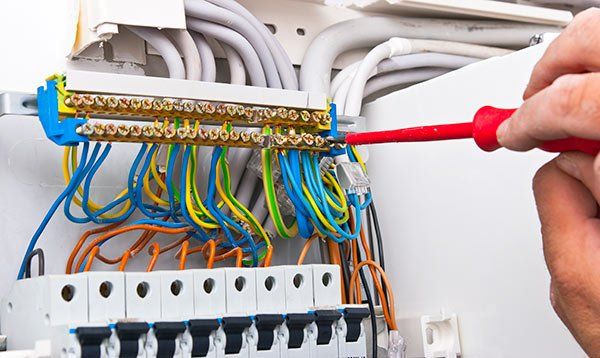
Most of the electrical system in any home is contained within the walls of the home, making it difficult to examine it. This is why it is important for buyers to search for and carefully examine the electrical panel during their viewing of any home they are interested in purchasing.
The electrical panel should be:
- Sufficiently sized for the home's electrical needs, with slots remaining for future expansion
- Equipped with circuit breakers, instead of fuses
- In good condition, with no evidence of heat, smoke, or fire damage
Too Few Light Fixtures or Electrical Outlets
Another priority buyers should have while viewing homes is to take a moment to consider the number and placement of electrical outlets, lighting fixtures, and electrical switches. Buyers should consider pausing in each room to think about how they might use the space and what their likely electrical usage needs would be. Rooms that have too few electrical outlets or insufficient lighting may need electrical updates to make them acceptable for the buyer's needs.
Lack of GFCI Outlets
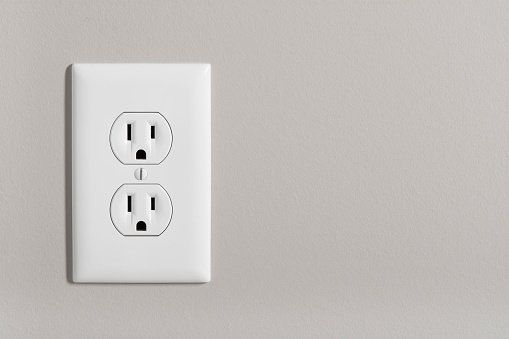
Older homes that have had timely electrical upgrades should already be equipped with ground fault circuit interrupter (GFCI) outlets in spaces where water may pose risk of electrical shock. These outlets reduce the risk of electrical shock by shutting down in the presence of danger, such as water. GFCIs are required in kitchens, bathrooms, basements, and laundry areas and can be easily recognized by the small button in the center of the outlet cover.
Signs of Potential Issues
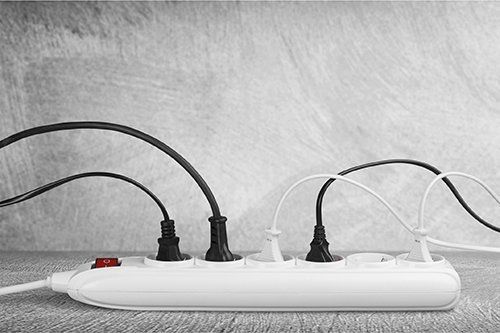
Homes that have faulty electrical systems often show signs of trouble that prospective home buyers can watch for during viewings. An important sign is that extension cords are being used in one or more areas of the home. Dependence on extension cords is usually a sign that the home has insufficient or non-working electrical circuits that will need to be addressed.
Another visible clue that prospective homebuyers need to watch for is finding electrical outlets that look charred or melted, non-working light fixtures or ceiling fans, and electrical switches that seem to no longer be functional.
In areas where the wiring is visible, buyers should look for evidence of improper repairs or connections, such as the lack of electrical end caps and connectors or failure to contain the connections inside approved electrical boxes.
In addition to clues spotted while viewing each home, prospective buyers should always carefully consider the information provided on the seller's disclosure and insist upon an electrical inspection performed by a properly certified electrician.
If you are currently shopping for your next home anywhere in the Southern Alabama, Florida Panhandle, or Mississippi Coast area, we invite you to contact our team of friendly certified electricians here at South Alabama Electric Co.We can help you understand any potential problems you encounter and offer you options for safe, cost-effective electrical repair or upgrade solutions you may need after the purchase.